Torn between a brand-new build and a well-loved resale in Montgomery County? You are not alone. Buyers in Conroe, The Woodlands, and the City of Montgomery often weigh timelines, warranties, MUD taxes, and HOA rules before making a move. In this guide, you will see how new construction and resale homes compare, what to expect locally, and how to choose with confidence. Let’s dive in.
New construction at a glance
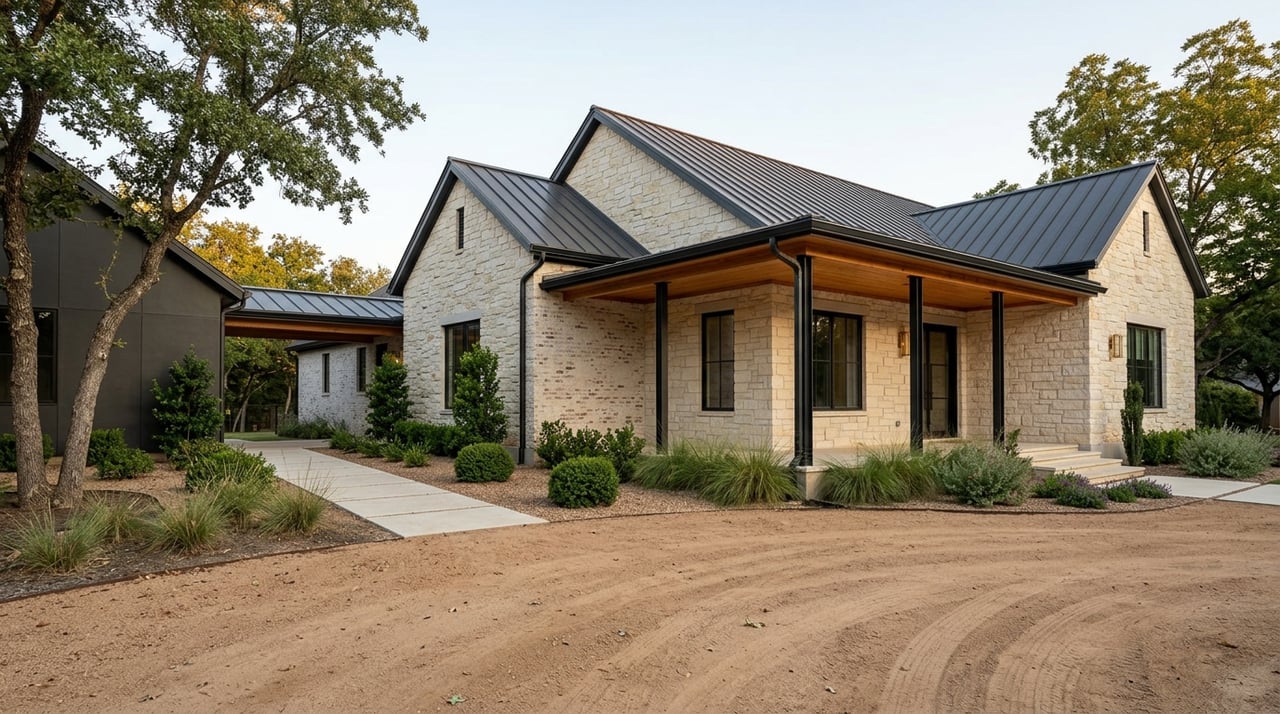
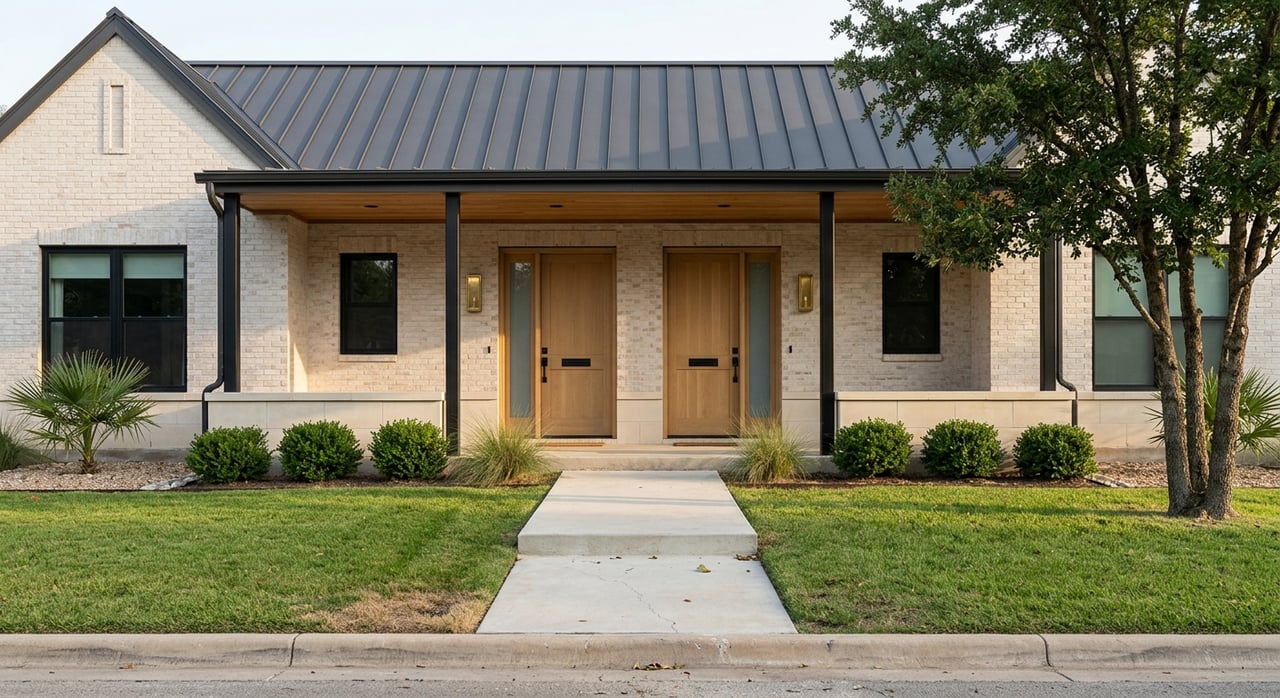
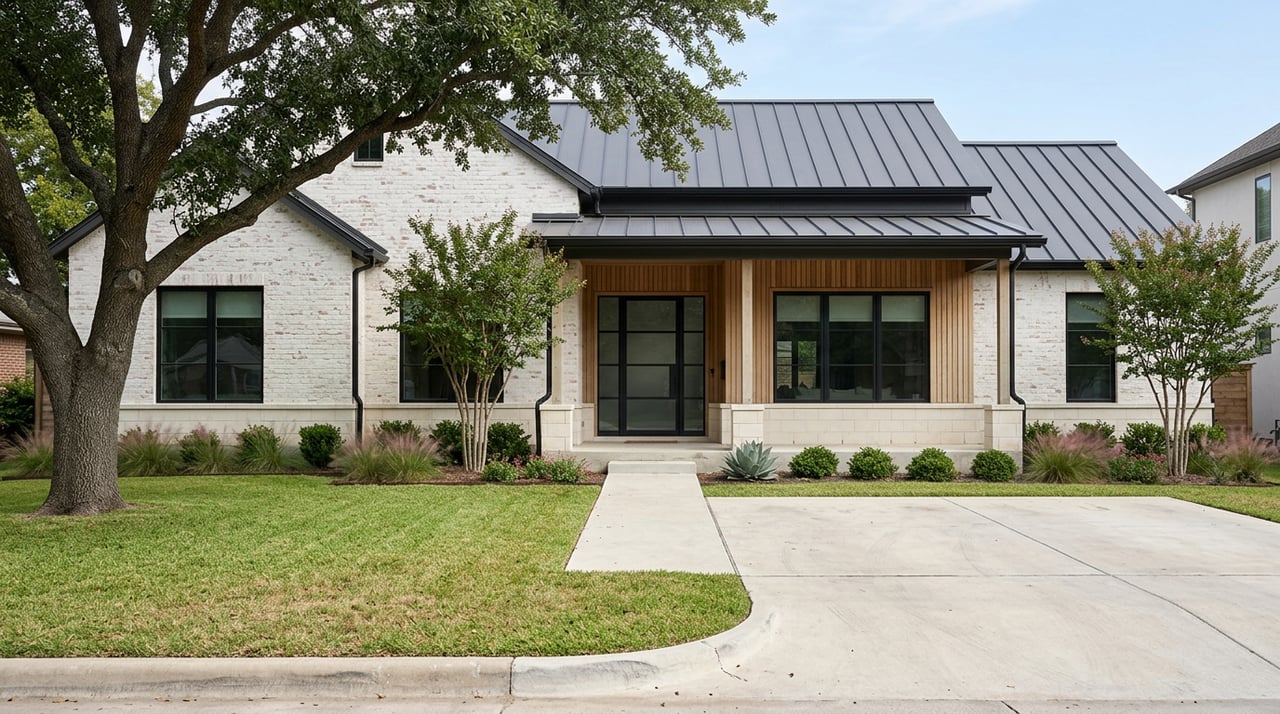
New construction in Montgomery County spans master-planned communities, township-governed areas, and rural lots. The Woodlands is largely master planned with township-style services and architectural review processes that may apply in addition to municipal permits. Conroe offers both infill and new subdivisions, while the City of Montgomery and surrounding areas include rural and semi-rural options.
You will find three builder styles:
- Production builders who offer spec and quick-move-in homes on set plans.
- Semi-custom builders who allow plan tweaks and limited lot choices.
- Custom builders who deliver fully tailored homes on individual lots.
These differences drive price, timeline, and how much you can personalize the home before move-in.
Resale homes at a glance
Resale options range from established neighborhoods in Conroe to village communities within The Woodlands and homes near the City of Montgomery. You may find mature landscaping, existing upgrades, and settled streetscapes. Rules and associations vary by neighborhood, and maintenance needs depend on the age and condition of the systems and structure.
Timelines: when you can move in
Production and spec homes
Production homes often take about 4 to 9 months from permit to completion once the lot is ready. If a builder has a home already under construction, quick-move-in timelines can be shorter.
Semi-custom builds
Semi-custom builds commonly run 6 to 12 months, depending on selections and approvals.
Custom homes
Custom homes often range from 9 to 18 months or more. Site work, utility access, and design choices add steps that take time.
What can slow things down
Across Montgomery County, several factors can affect timing:
- Lot readiness, grading, and tree mitigation. Wooded lots, especially in and around The Woodlands, can add time and cost.
- Utilities and services. MUD-related infrastructure and tap connections can extend schedules.
- Permitting and reviews. Timeframes vary between city jurisdictions and unincorporated areas. Architectural reviews in master-planned areas add steps before permits are pulled.
- Weather and seasonal issues, including heavy rain or storm activity.
- Material, labor, and buyer-driven change orders.
Warranties and inspections
New-build warranty basics
Builders commonly provide tiered warranty coverage. A short-term workmanship warranty often covers general defects for the first year. Mechanical systems, such as plumbing, HVAC, and electrical, may have 1 to 2 years of coverage. Structural coverage often extends to around 10 years for major load-bearing components. Terms and providers vary, and some warranties are third-party backed. Always review the warranty documents and claims process in detail.
Why inspections still matter for new builds
New homes benefit from independent inspections at key stages. Pre-drywall and pre-closing inspections can catch incomplete work or code issues before you take possession. A final walkthrough and punch-list process help you document items to be addressed under warranty.
Resale inspections and remedies
For resales, a general home inspection is standard, often followed by pest or specialized inspections as needed. Repairs, credits, or other remedies are negotiated between buyer and seller under the resale contract and local disclosure rules.
Taxes, MUDs, and ongoing costs
Many new subdivisions in the area are served by Municipal Utility Districts, or MUDs. MUDs levy taxes to repay bonds that financed water, sewer, and infrastructure. These charges add to your overall property tax bill and can last for years.
New construction often starts with a higher initial appraised value because both land and improvements are new. Resale homes may have different assessed values based on history and prior appraisals. In all cases, confirm current rates and review disclosures. Homestead or other exemptions may reduce the tax burden after you apply.
Site costs and lot premiums also matter. Preferred lots can carry premiums for water views, cul-de-sacs, or heavily wooded settings, especially in master-planned areas like The Woodlands. On more rural or raw lots, budget for tree removal, grading, drainage, septic or sewer connections, and potential tap fees. Resale buyers do not pay a builder’s lot premium, and they may gain mature landscaping or improvements, though they could face near-term maintenance.
HOA, POA, and Township rules
Montgomery County neighborhoods are governed by a mix of HOAs, POAs, and, in the case of The Woodlands, a township entity that provides community services. Newer communities commonly have active architectural controls. Older neighborhoods can vary in enforcement. Assessments and special assessments cover amenities and infrastructure and can differ widely.
Before you commit, request the full disclosure package for any HOA, POA, or township area, including covenants, bylaws, current budgets, meeting minutes, pending projects, and any litigation. The Texas Property Code outlines many of the rules that associations must follow, including meeting, records, and notice requirements.
Incentives, negotiations, and financing
New-build incentives
Builders may offer price incentives, closing cost credits, interest rate buydowns, or upgrade packages. Many incentives are tied to using a preferred lender or title company, so get the terms in writing and compare the full cost, including fees and rates, before you decide.
Resale negotiations
Resale negotiations happen directly with the seller through the sales contract. You may be able to secure seller concessions, price adjustments, or repair credits, especially if the home has been on the market for a while or needs updates.
Financing differences
Some new construction requires construction financing or a construction-to-permanent loan. Resale purchases typically use conventional, FHA, VA, or USDA financing and follow a more straightforward closing process with standard mortgage contingencies.
Cost comparison: which fits your budget
There is no one-size-fits-all answer. Consider these points as you compare:
- New builds may cost more upfront due to lot premiums and upgrades but can reduce near-term repair costs thanks to new systems and warranties.
- Resales might be priced lower or allow more negotiation, yet they can carry immediate maintenance needs or updates.
- MUD taxes and HOA or POA assessments can vary between communities. Review actual rates and budgets to understand your long-term costs.
- Customization, timeline, and location often drive the final math as much as price alone.
Practical checklist for Montgomery County buyers
If you are building new
- Get a written timeline that covers permits, site work, and estimated completion, plus what happens if timelines slip.
- Review all warranty documents, including who backs the warranty and how claims work.
- Confirm whether the lot is in a MUD or other special district and review current tax and assessment information.
- Request CC&Rs, architectural standards, and HOA or township documents before you sign.
- Ask whether incentives require a preferred lender or title company and compare offers in writing.
- Budget for site costs such as tree mitigation, grading, drainage, and utility connections; clarify what is included.
- Schedule independent inspections at pre-drywall and pre-closing, then complete a thorough final walkthrough and punch list.
If you are buying resale
- Obtain full seller disclosures, including repair history and any pending HOA actions or assessments.
- Order a general inspection, pest inspection, and specialized inspections as needed for roof, HVAC, or foundation.
- Review recent appraisal records and tax history to estimate carrying costs.
- Read HOA or POA documents, budgets, meeting minutes, and plans for capital projects.
- Plan for near-term system replacements based on age and condition.
How to choose what is right for you
Start with your move-in deadline. If you need housing within a few months, a resale or a quick-move-in spec home might be the best fit. If you value design control and are comfortable with a longer timeline, a semi-custom or custom build can deliver exactly what you want.
Balance total cost of ownership against lifestyle needs. New builds may lower early maintenance costs, while resales can offer established settings and potential value. Read community rules, check MUD and tax details, and build a cushion for surprises. With the right plan and a knowledgeable guide, you can make a confident, informed decision in Montgomery County.
Ready to compare specific neighborhoods, builders, or resale opportunities in Conroe, The Woodlands, or Montgomery? Reach out to the Kristi Fox Real Estate Group for local guidance, clear timelines, and negotiating power from contract to closing.
FAQs
How long does new construction take in Montgomery County?
- Expect a wide range. Production homes often complete in about 4 to 9 months, semi-custom in 6 to 12 months, and custom in 9 to 18 months or more based on site work, permits, and selections.
What warranties come with a new home in this area?
- Many builders offer a short-term workmanship warranty, 1 to 2 years on systems, and longer structural coverage; always review the specific terms and who backs the warranty.
Do builders require me to use their lender for incentives?
- Incentives are often tied to preferred lenders or title companies; get the terms in writing and compare total costs before committing.
How do MUD taxes affect my budget in Montgomery County?
- MUDs add a tax to repay infrastructure bonds, which increases your overall property tax bill; confirm the current rate and outstanding debt for the district.
Are HOA rules stricter in The Woodlands than elsewhere?
- The Woodlands has structured village covenants and township-managed services with active architectural controls; other areas vary, so read CC&Rs and recent minutes for the neighborhood you choose.
Which costs more overall: new build or resale?
- It depends on lot premiums, upgrades, MUD and HOA costs, and maintenance needs; new builds can reduce early repairs while resales may offer lower prices or more negotiation flexibility.